
The Threat to Ancient Cacao Varieties in the Amazon

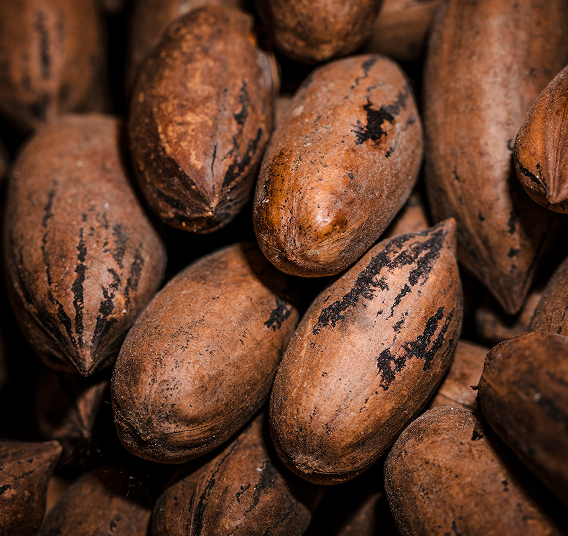

Photo by Freepik
The Threat to Ancient Cacao Varieties in the Amazon: The Path to the Disappearance of Fine Chocolate
In the heart of the Amazon, where the cacao tree (Theobroma cacao) first emerged more than five thousand years ago, ancient aromatic varieties such as Criollo and rare lines of Trinitario are now on the brink of extinction. These heritage genetic varieties, preserved in remote wild groves and small traditional farms, produce beans with a distinctive flavour — rich, complex and naturally free from the bitterness found in mass-produced hybrids.
Genetic research published in PLOS One in 2018 confirms that the origins of cacao lie in the Amazon Basin, where its wild form evolved at least 5,300 years ago. Archaeological evidence from the Mayo-Chinchipe culture in present-day Ecuador further indicates that cacao was used by humans in pre-Columbian times.
Today, however, these ancient cacao trees — many of which are more than fifty years old and capable of fruiting for generations — are rapidly disappearing due to deforestation and climate change. According to the International Cocoa Organization (ICCO) 2024 report, the production of fine and aromatic cacao varieties has declined by 20% over the past five years. In Brazil and Peru alone, up to 30% of plantations have been lost as prolonged droughts destroy root systems and rising temperatures accelerate the spread of fungal diseases.
Large-scale deforestation has intensified the crisis. According to the United Nations, the Amazon loses up to 19,000 square kilometres of forest every year — an area comparable in size to an entire country. As rainforest ecosystems disappear, so too do wild populations of cacao.
Photo by Freepik
Researchers from Florida International University warn in their 2021 study Chocolate Crisis that if current trends continue, up to 47% of Amazonian ecosystems could shift towards savannah by 2050, a biome in which cacao cannot survive. This means that each year the world loses further access to genuine chocolate made from rare cacao varieties.
The global shortage of raw cacao is already being felt: in 2024, cocoa prices more than doubled, pushing the chocolate industry towards substitutes such as vegetable fats, artificial flavourings and synthetic enhancers. Yet with the disappearance of ancient cacao varieties, we are losing far more than raw material — we are losing the true character of chocolate: its natural complexity, purity of flavour and rich antioxidant profile.
The solution lies in sustainable and regenerative cultivation. Preserving cacao is only possible through the restoration of forest ecosystems and shade-grown agriculture. This approach is being implemented by environmental initiatives, including projects led by The Nature Conservancy and programmes in Peru, Ecuador and Colombia, where farmers are reviving cacao under forest canopies, helping to preserve biodiversity and prevent further genetic loss.
Without such action, the fine taste of true chocolate will not simply become rare — it will vanish, much like the forgotten rituals of the Amazon’s indigenous peoples.